
Does Spinal Decompression Work? The Complete Guide to Non-Surgical Back Decompression
Welcome to our comprehensive guide on managing back discomfort. Here at the Remedy Hero Team, we explore whether spinal decompression works effectively for your aching back.
What Is Non-Surgical Spinal Decompression?
Definition and Overview
When dealing with persistent back pain, understanding what non-surgical spinal decompression means is essential for your spinal health journey. We know that spinal decompression therapy represents a specialized treatment designed to gently stretch the spine, potentially offering relief without invasive surgical procedures. Before starting any new treatment plan, we always recommend that you consult with a qualified doctor or clinician to ensure it is appropriate for your specific condition.
History of Spinal Decompression Therapy
The evolution of spinal decompression therapy has transformed how practitioners approach chronic back pain and related issues today. Over the decades, traditional traction methods evolved into sophisticated motorized devices aimed at targeting specific spinal discs to alleviate discomfort. As we examine how these techniques developed, we want to remind you to discuss your medical history with a healthcare professional before pursuing any therapeutic interventions.
Types of Non-Surgical Spinal Decompression
Various approaches exist within non-surgical spinal decompression, ranging from advanced motorized tables used in clinical settings to specialized chiropractic care techniques. Each method utilizes mechanical traction to influence the vertebrae and potentially relieve pressure on nearby nerves, though results can vary significantly from person to person. We encourage you to speak with your doctor or clinician to determine which specific approach might best suit your unique physical needs.
How Does Spinal Decompression Work?
The Mechanism of Action
The core mechanism behind spinal decompression relies on creating a gentle, calculated negative pressure within the affected spinal discs. This negative pressure may help draw herniated or bulging material back into place and promote the flow of healing nutrients into the injured area. Because every individual body reacts differently, we strongly advise talking with your doctor or qualified clinician to understand how these biomechanical changes might affect your specific symptoms.
Role of Spinal Decompression Machines
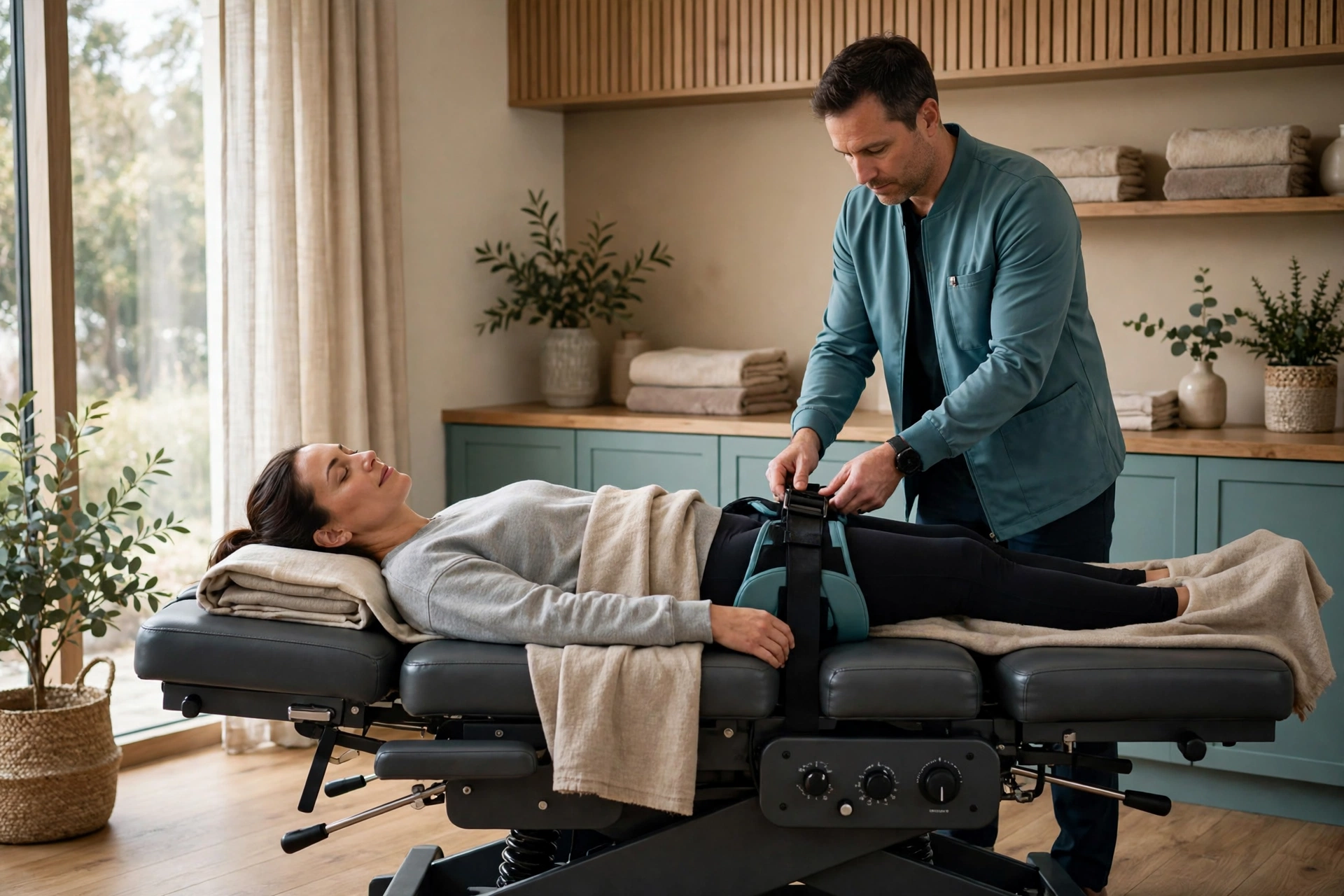
A specialized spinal decompression machine or computerized decompression table is typically utilized during clinical sessions to control the stretching force precisely. These devices alternate between pulling and relaxing phases, aiming to prevent the muscles from guarding or spasming during the procedure. As you consider incorporating machine-based therapies into your routine, please consult with a healthcare professional to ensure safety and proper guidance.
Comparison with Other Therapies
When evaluating decompression against traditional chiropractic care, physical therapy, or lumbar decompression exercises, patients often wonder which option yields the best outcomes. While some find that chiropractic decompression tables offer substantial comfort for lower back pain, others may require a multifaceted treatment plan tailored by a medical professional. We always suggest discussing these various modalities with your doctor or qualified clinician before making any final decisions regarding your care.
What Is Spinal Decompression Good For?
Conditions Commonly Treated
Many individuals seek out this therapy hoping to find relief from conditions such as a herniated disc, degenerative disc disease, or persistent sciatica. While the evidence is mixed and mostly of low-to-moderate quality, some patients report positive outcomes for specific types of nerve compression. Before beginning any regimen for these conditions, we recommend talking with your doctor or qualified clinician to get an accurate diagnosis.
Chronic Back Pain and Its Relation to Decompression
Chronic back pain can severely impact your daily life, leading many to explore whether spinal decompression therapy can restore mobility and reduce discomfort. Although it may help some people manage their symptoms, it is important to understand that it is not a guaranteed cure for every spinal issue. We advise consulting with a medical professional to evaluate whether this method aligns with your long-term health goals.
Potential Benefits for Sciatica
Sciatica occurs when the sciatic nerve experiences irritation or compression, often resulting in radiating pain down the lower extremities. Decompression techniques aim to widen the space around the spinal nerves, which could potentially alleviate some of the pressure causing your distress. Because nerve issues require careful medical evaluation, we strongly encourage you to consult with a qualified doctor before pursuing this treatment option.
What Does Spinal Decompression Treat?
Common Back Conditions Addressed
Clinical practitioners often utilize these stretching protocols to address localized lower back pain, neck pain, and specific structural abnormalities within the spinal column. Whether dealing with spinal stenosis or a severely bulging disc, understanding the root cause of your discomfort remains paramount for successful management. Always remember to consult with your doctor or qualified clinician to confirm what specific conditions your treatment plan is targeting.
Importance of Proper Diagnosis
Receiving an accurate diagnosis from a qualified medical professional is a critical first step before undergoing any form of mechanical spinal traction. Misdiagnosing the underlying source of your back or neck pain can lead to ineffective treatments or potentially worsen your symptoms. We urge you to work closely with your physician to obtain comprehensive imaging and a thorough clinical assessment prior to starting therapy.
Patient Considerations Before Treatment
Not everyone is an ideal candidate for non-surgical decompression, as factors like severe osteoporosis, spinal instability, or previous surgical hardware may pose significant risks. Evaluating your overall health status ensures that you avoid potential complications during the procedure. Therefore, we always remind you to talk with your doctor or qualified clinician to review your personal risk factors before scheduling any sessions.
Is Spinal Decompression Good for Lower Back Pain?
When considering whether spinal decompression works for your lower back pain, evaluating the existing evidence is a crucial step in your spinal health journey. We know that lower back pain affects millions of individuals, and while some clinical studies suggest that spinal decompression therapy may help alleviate discomfort associated with a herniated disc or degenerative discs, results vary significantly from person to person. Because the current evidence remains mixed and mostly of low-to-moderate quality, we always recommend that you consult with a qualified doctor or clinician before beginning any new treatment plan for your back pain.
Patient responses to decompression therapy can be highly variable, meaning that a technique providing profound pain relief for one person might offer little benefit to another. We want to emphasize that while this approach may assist some individuals with specific causes of lower back pain, it is not a cure-all and will not resolve every underlying spinal issue. To understand how your body might react, we strongly advise speaking with your physician or a qualified clinician who can evaluate your medical history and tailor a safe, personalized approach.
Before moving forward with any mechanical traction or specialized sessions, having an open dialogue with your healthcare provider ensures that you are making an informed choice for your specific condition. We encourage you to discuss potential risks, expected outcomes, and alternative options with your doctor or qualified clinician so that your overall spinal health remains the top priority throughout the entire healing process.
Methods: Clinical Traction Tables, Chiropractic Care, and At-Home Options
Clinical traction tables represent one of the primary methods utilized by specialists to administer motorized spinal decompression therapy in a controlled medical environment. These advanced devices apply precise mechanical forces designed to create negative pressure within the lower back, aiming to relieve pressure on nearby nerves. We recommend consulting with your doctor or qualified clinician to determine if clinical-grade equipment is appropriate for your specific diagnosis and back pain needs.
Chiropractic care often incorporates specialized spinal techniques alongside manual adjustments to help manage chronic back pain and improve overall spinal alignment. Many practitioners utilize a chiropractic decompression table to gently stretch the spine and address issues related to bulging discs or nerve compression. Before exploring chiropractic approaches, we always advise talking with a qualified doctor or clinician to ensure these physical interventions complement your broader medical care strategy.
At-home decompression techniques, such as inversion tables or portable stretching devices, offer alternative ways for individuals to practice mild spinal traction independently. While these tools may provide temporary comfort for minor back tension, they lack the precise calibration found in professional clinical settings and carry potential safety risks. Therefore, we strongly encourage you to speak with your doctor or qualified clinician before attempting any unsupervised at-home decompression methods.
Benefits and What the Evidence Actually Shows
Evaluating the potential advantages of spinal decompression therapy reveals that many patients hope to achieve significant pain relief, improved mobility, and better overall spinal health. Proponents suggest that the gentle stretching action may help promote nutrient exchange within damaged spinal discs and reduce irritation around sensitive spinal nerves. As you weigh these prospective benefits, we remind you to discuss your symptoms with a qualified doctor or clinician to set realistic expectations for your recovery.
A careful review of current research findings indicates that while some clinical trials report positive outcomes for specific conditions like sciatica or a herniated disc, the overall scientific literature remains mixed. Much of the available data consists of low-to-moderate quality studies, meaning that more rigorous research is still needed to confirm long-term efficacy. Before relying on these findings to guide your health decisions, we advise consulting with your doctor or qualified clinician for an objective assessment.
Understanding the limitations of existing evidence is essential so that patients do not view decompression as a miraculous cure for every structural back problem. Because individual responses vary widely and the treatment will not fix every spinal abnormality, maintaining a cautious perspective is vital for safe management. We always recommend talking with a qualified healthcare professional who can help you interpret the research and decide if this therapy truly fits your needs.
Is Spinal Decompression Safe? Risks and Who Should Avoid It
Understanding the risks involved with mechanical traction is vital, as improper application or underlying vulnerabilities can occasionally lead to increased muscle spasms, soreness, or more severe discomfort. While the procedure is generally considered safe when performed by trained professionals, it is not entirely without potential complications for the vulnerable spine. We urge you to consult with your doctor or qualified clinician to thoroughly review these safety considerations before scheduling any sessions.
Certain contraindications mean that individuals with severe osteoporosis, spinal instability, active fractures, or previous surgical hardware should completely avoid non-surgical decompression therapy. Forcing a stretch on a compromised spinal structure can exacerbate conditions like advanced spinal stenosis or severe nerve compression rather than helping them. To ensure you do not fall into a high-risk category, we strongly recommend talking with a qualified medical professional for a comprehensive evaluation beforehand.
Navigating your back pain safely requires professional guidance, personalized risk assessments, and a clear understanding of your body’s unique limitations and structural health. By partnering with an experienced medical expert, you can minimize potential hazards and focus on proven, evidence-based rehabilitation strategies. Whenever you consider new therapeutic interventions, remember to consult with your doctor or qualified clinician to protect your long-term well-being.
How Much Does Spinal Decompression Cost?
Average Costs of Treatment
Understanding the financial aspects of managing back pain is essential when exploring whether spinal decompression works for your specific condition. We know that investing in spinal decompression therapy involves various expenses, including individual session fees, diagnostic imaging, and potential ongoing chiropractic care. Before committing to any financial obligation, we always recommend that you consult with a qualified doctor or clinician to understand the expected costs.
Insurance Coverage Considerations
Navigating insurance policies for non-surgical spinal decompression can be complex, as many providers classify this specific spinal therapy as elective or experimental. While some insurance plans might partially cover related chiropractic care or physical therapy, coverage for a dedicated spinal decompression machine session is often quite limited. We encourage you to speak with your insurance provider and discuss your treatment plan with a qualified doctor or clinician beforehand.
Financial Planning for Therapy
Creating a realistic budget for your back pain management ensures you can complete the recommended course of spinal decompression therapy without undue financial stress. Because results vary and multiple sessions are typically required to achieve meaningful pain relief, planning ahead helps accommodate potential expenses. We advise consulting with your healthcare professional to outline a transparent financial and clinical strategy before starting any new procedures.
Spinal Decompression Alternatives
Other Non-Surgical Options for Back Pain
When evaluating ways to soothe chronic back pain without undergoing surgical procedures, patients frequently consider physical therapy, targeted lumbar exercises, and lifestyle modifications. These conservative alternatives aim to strengthen the supporting muscles around the spine and alleviate pressure on the spinal nerves effectively. Before choosing an alternative approach, we strongly recommend talking with a qualified doctor or clinician to determine the safest route for your recovery.
Comparative Effectiveness
Comparing the effectiveness of spinal decompression therapy against standard physical therapy or chiropractic adjustments reveals that patient outcomes can differ dramatically. While some individuals find that gentle traction helps manage a herniated disc, others achieve better stability through active rehabilitation and core strengthening. We suggest discussing these comparative benefits with your doctor or qualified clinician to identify which intervention best addresses your unique physical symptoms.
Integrating Multiple Approaches
Combining various therapeutic modalities often yields a more comprehensive strategy for alleviating persistent lower back pain and improving overall spinal health. Integrating chiropractic care, guided exercises, and ergonomic adjustments can support the spine from multiple angles while minimizing reliance on any single method. We always advise consulting with a qualified healthcare professional before blending different treatments to ensure they work harmoniously for your body.
How to Know If Your Back Needs Decompression
Recognizing Symptoms and Signs
Identifying specific indicators, such as radiating sciatica, localized stiffness, or chronic discomfort aggravated by sitting, can help you understand if your spine requires targeted intervention. While these symptoms might suggest underlying nerve compression or a bulging disc, an accurate clinical evaluation remains indispensable for proper diagnosis. We urge you to consult with a qualified doctor or clinician to assess your symptoms thoroughly before pursuing decompression.
Key Questions to Discuss with Your Doctor
Preparing a list of targeted questions about spinal decompression therapy, potential risks, and expected recovery timelines empowers you to make an informed choice regarding your health. Asking your physician how mechanical traction compares to other treatments ensures you have a complete picture of your care options. We recommend scheduling a dedicated discussion with a qualified doctor or clinician to review your personal medical history and questions.
Assessment and Referral Process
Undergoing a formal medical assessment typically involves comprehensive physical examinations and advanced imaging studies to rule out contraindications like severe spinal stenosis or instability. Once a qualified professional evaluates your diagnostic results, they can determine if you are a suitable candidate for mechanical traction. Always work closely with your doctor or qualified clinician to navigate the referral process safely and effectively.
Frequently Asked Questions
What is spinal decompression non-surgical?
Non-surgical spinal decompression is a specialized motorized traction technique designed to gently stretch the spine and create negative pressure within the affected discs. This process may help alleviate pressure on nearby nerves and promote nutrient exchange in the injured area, though results can vary significantly among individuals. Before starting this therapy, we always recommend that you consult with a qualified doctor or clinician to ensure it is appropriate for your condition.
What is decompression therapy for back pain?
Decompression therapy for back pain utilizes mechanical forces to manipulate the vertebrae, aiming to reduce discomfort associated with conditions like degenerative discs or a herniated disc. While it may help some patients manage chronic symptoms, it is not a guaranteed cure and will not resolve every spinal abnormality. We advise speaking with your healthcare provider to understand how this treatment might fit into your broader back pain management plan.
Does spinal decompression work for sciatica?
Many individuals explore spinal decompression therapy hoping to find relief from sciatica caused by nerve root irritation in the lower back region. While some clinical reports indicate positive outcomes for nerve compression, the scientific evidence remains mixed and primarily of low-to-moderate quality. Because nerve-related pain requires careful evaluation, we strongly encourage you to consult with a qualified doctor before pursuing this specific therapeutic approach.
How long does it take to feel results?
The timeframe required to notice improvements from spinal decompression therapy varies widely depending on the underlying cause of your back pain and individual bodily responses. Some patients report feeling gradual relief after a series of multiple sessions, whereas others experience little to no noticeable change in their symptoms. We recommend discussing realistic expectations and recovery milestones with your doctor or qualified clinician before beginning treatment.
Is spinal decompression covered by insurance?
Insurance coverage for non-surgical spinal decompression varies considerably depending on your specific policy, provider, and the medical necessity determined by your physician. Many insurance companies classify mechanical traction as experimental or elective, meaning patients often must pay out of pocket for these specialized sessions. We always suggest verifying your benefits directly with your insurance provider and consulting with your doctor or qualified clinician to discuss your financial and treatment options.
More Guides in This Series
- Spinal Decompression for Herniated and Bulging Discs: What It Can and Can’t Do
- Spinal Decompression for Sciatica: Can It Ease Leg Pain?
- At-Home Spinal Decompression: Safe Ways to Stretch and Decompress Your Back
- Spinal Decompression Aftercare: How to Protect Your Results Between Sessions
- Spinal Decompression vs. Surgery: When Non-Surgical Isn’t Enough
- Is Spinal Decompression Safe? Risks, Side Effects, and Who Should Skip It
- Inversion Tables and Decompression Tables: Do They Work, and Are They Safe?
- Chiropractic Spinal Decompression: What a Session Is Actually Like
- Best Back Decompression Devices: Belts, Traction, Tables, and Stretchers Compared
- Best Decompression Belts and Back Braces, Reviewed