
Binaural Beats for Anxiety and Stress Relief: The Ultimate Guide
Feeling anxious or stressed seems like a normal part of life these days. Between work deadlines, family responsibilities, and endless notifications, your mind rarely gets a break. If you’re looking for a simple way to calm down without medication, binaural beats might be worth a try.
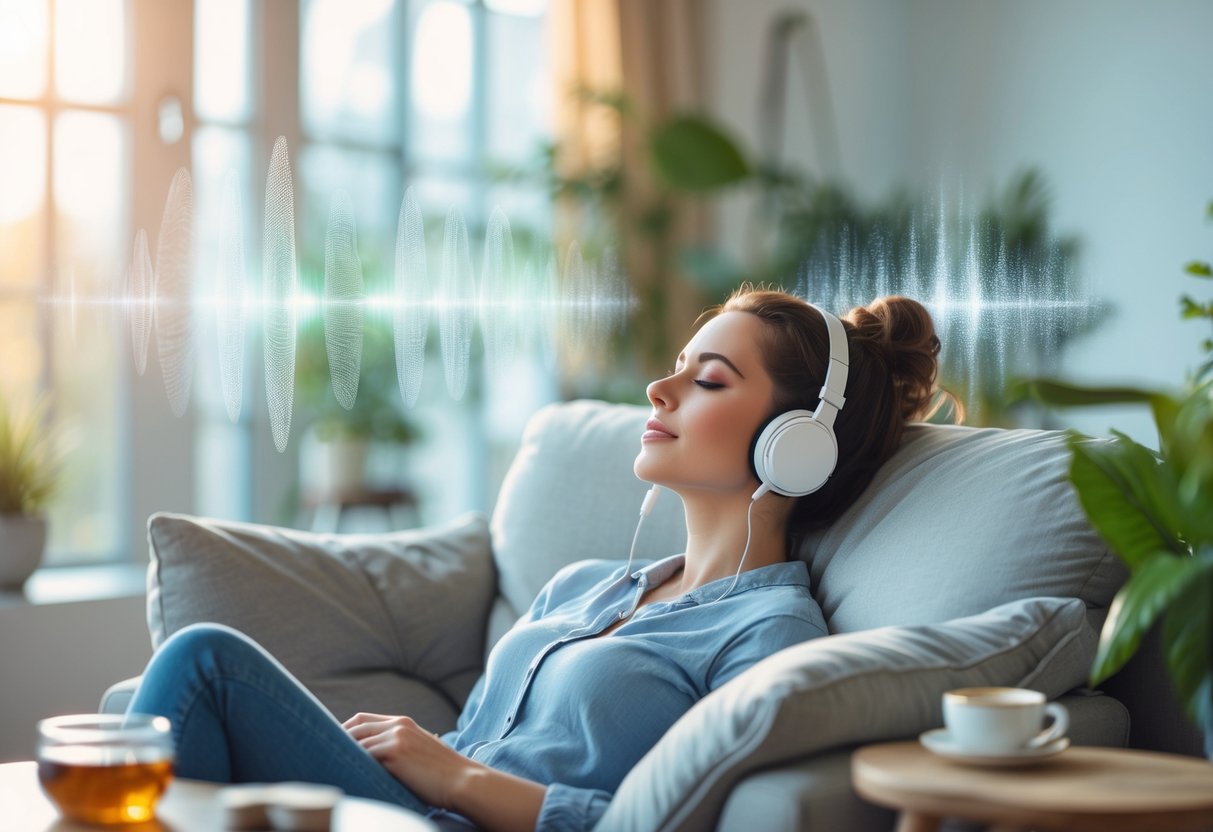
Binaural beats are an audio tool that works by playing two slightly different sound frequencies in each ear through headphones, which your brain then perceives as a single rhythmic beat that can help reduce anxiety and promote relaxation. The concept has been around for decades, but it’s gaining attention as more people search for natural stress relief methods. Research suggests that these beats can influence your brainwave patterns, potentially guiding your mind into a calmer state.
You don’t need any special skills or equipment beyond a pair of headphones and a quiet space. Whether you’re dealing with everyday stress or more intense anxiety, understanding how binaural beats work and which frequencies to use can help you get the most out of this simple technique.
Key Takeaways
- Binaural beats use two different frequencies played in each ear to create a perceived rhythm that may help calm your mind and reduce stress
- The most effective frequencies for anxiety relief typically fall in the alpha and theta ranges, between 4 and 12 Hz
- Using binaural beats works best when combined with headphones, a quiet environment, and other relaxation practices like deep breathing or meditation
What Are Binaural Beats?
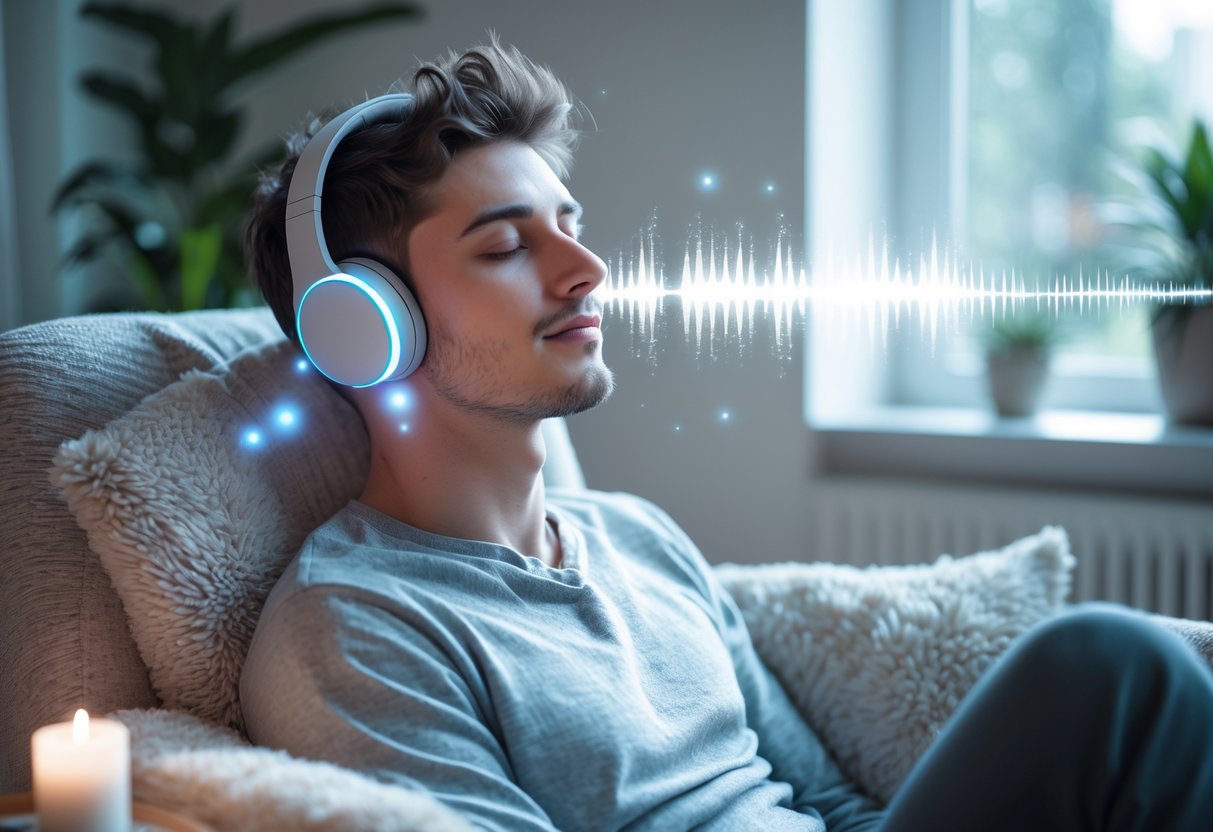
Binaural beats happen when your brain processes two slightly different sound frequencies played separately into each ear. Your brain creates a third tone that matches the difference between the two frequencies, which can influence your mental state.
The Science Behind Binaural Beats
When you listen to binaural beats through headphones, each ear receives a different tone. If your left ear hears 200 Hz and your right ear hears 210 Hz, your brain perceives a 10 Hz beat.
This perceived beat doesn’t exist in the actual sound. Your brain creates it internally as it tries to make sense of the two different frequencies.
The frequency difference determines which brainwave state your brain may move toward. Delta waves (0.5-4 Hz) relate to deep sleep, theta waves (4-8 Hz) connect to relaxation and meditation, alpha waves (8-12 Hz) link to calm focus, and beta waves (13-30 Hz) associate with active thinking.
Research shows that listening to binaural beats can change your brainwaves. The effect is strongest when the frequency difference falls between 1-30 Hz, which matches the range of natural brain activity.
How Brainwave Entrainment Works
Brainwave entrainment is the process where external rhythms guide your brain activity toward a specific frequency. Your brain naturally tries to sync up with repeating patterns it detects.
Think of it like a pacemaker for your mind. When you expose your brain to a steady rhythm, it gradually adjusts its electrical activity to match that pattern. This synchronization happens automatically without any effort on your part.
The perceived beat acts like a tuning fork for your mind, helping align your brain with the rhythm you choose. Your brain needs about 10-20 minutes of exposure to fully synchronize with the frequency.
The entrainment effect works because your neurons communicate through electrical signals that create measurable wave patterns. These patterns shift based on what you’re doing and how you’re feeling.
Difference from Other Sound Therapies
Binaural beats require headphones because each ear must receive a separate frequency. Isochronic tones use single tones that pulse on and off, creating a stronger rhythmic effect that works without headphones.
Monaural beats play both frequencies in both ears at once, creating an actual sound wave rather than a perceived one. Your ears hear the beating pattern directly instead of your brain creating it internally.
Regular meditation music or nature sounds don’t use specific frequency differences to target brainwave states. They help you relax through pleasant sounds rather than through entrainment.
Audio-visual entrainment combines rhythmic sound with flashing lights to create faster and more powerful effects than sound therapy alone. The visual stimulation adds another layer of entrainment through your sense of sight.
How Binaural Beats Affect Anxiety and Stress
Binaural beats work by influencing your brainwave activity, which then triggers changes in your nervous system and brain chemistry. These shifts can activate your parasympathetic nervous system, alter neurotransmitter levels like serotonin and dopamine, and help you achieve different mental states that support emotional balance.
Impact on the Nervous System
When you listen to binaural beats, your body can shift from a stressed state into a more relaxed one. The beats help activate your parasympathetic nervous system, which is responsible for calming you down after stress.
This system works opposite to your fight-or-flight response. When it kicks in, your heart rate slows down and your breathing becomes steadier. Your blood pressure can drop too.
Research shows binaural beats work best at low difference frequencies, roughly 1-30 Hz. These frequencies match the same patterns your brain naturally produces during relaxation. This match-up helps explain why binaural beats can provide stress reduction and anxiety relief.
Your stress response becomes less reactive over time with regular use. This means your body doesn’t jump into panic mode as quickly when you face stressful situations.
The Role of Neurotransmitters
Binaural beats may influence the chemicals in your brain that affect your mood and mental health. Two important ones are serotonin and dopamine.
Serotonin helps regulate your mood and anxiety levels. When your serotonin is balanced, you typically feel calmer and more emotionally stable. Dopamine affects your motivation and pleasure responses.
The specific way binaural beats change these neurotransmitters isn’t fully understood yet. But the relaxation response they trigger can support better brain chemistry overall. When you’re less stressed, your brain has an easier time maintaining healthy neurotransmitter levels.
This chemical shift can create a positive cycle. Better brain chemistry leads to less anxiety, which then supports even healthier neurotransmitter balance. Your body’s natural ability to manage stress improves as these systems work together.
Emotional Balance Through Brainwave States
Your brain produces different types of waves depending on what you’re doing or feeling. Binaural beats can shift your brainwave patterns toward states linked with relaxation.
Alpha waves (8-12 Hz) appear when you’re calm but alert. Theta waves (4-8 Hz) show up during deep relaxation or meditation. Delta waves (0.5-4 Hz) are present during sleep.
When you’re anxious, your brain often produces too many beta waves (13-30 Hz). These keep you alert and worried. Listening to binaural beats designed for anxiety can increase alpha wave activity, helping you feel more balanced emotionally.
Different frequencies target different goals:
- Delta frequencies for deep sleep
- Theta frequencies for meditation and stress relief
- Alpha frequencies for calm focus and anxiety relief
Your emotional balance improves as your brain spends more time in these calmer states. You might notice you react less intensely to stressful events or bounce back faster from anxiety.
Binaural Beat Frequencies for Anxiety Relief
Different frequencies target different types of anxiety and stress. Alpha waves work best for everyday worry, theta waves help with deep-seated tension, delta waves support restorative sleep when anxiety keeps you awake, and gamma or beta waves clear mental fog.
Alpha Waves for Calm Focus
Alpha waves sit between 8-14 Hz and create what many people describe as relaxed alertness. When you listen to binaural beats for anxiety in the alpha range, your brain shifts away from the racing beta state that fuels worry.
10 Hz is the sweet spot for general anxiety relief. Studies show this specific frequency can reduce anxiety symptoms by up to 67% in just 15 minutes. You stay awake and aware but feel noticeably calmer.
Alpha waves work well for:
- Work-related stress
- Pre-event nervousness
- General daily anxiety
- Focus when you feel scattered
The best part about alpha frequency is you can use it any time during the day. You won’t feel drowsy or disconnected. Your cognitive function stays sharp while the anxious edge softens. Think of it as turning down the volume on worry without turning off your brain.
Theta Waves for Deep Relaxation
Theta frequency runs from 4-8 Hz and takes you deeper than alpha waves. This is where real healing happens. Your brainwave patterns during theta match what occurs in deep meditation and the early stages of sleep.
6 Hz stands out as particularly effective for anxiety that lives in your body. When stress has been building for months or years, theta waves help reset your nervous system at a fundamental level. Theta frequencies create deep relaxation by activating the parts of your brain that control emotional processing.
You’ll want to use theta waves when you can fully relax. Don’t drive or operate machinery during these sessions. The calming effect is powerful enough that you might drift into light sleep, which is actually beneficial for well-being.
Sessions of 20-30 minutes work best. Many people report feeling like they took a three-hour nap after just half an hour of theta wave exposure.
Delta Waves for Sleep and Restoration
Delta waves operate at 0.5-4 Hz, the slowest brainwave state your brain produces. These frequencies dominate during deep sleep, the kind that actually restores your body and mind.
If anxiety keeps you awake at night or prevents quality rest, delta waves can help. Your brain naturally produces these slow waves during the deepest phases of sleep when physical healing occurs. Listening to delta binaural beat frequencies before bed encourages your brain to shift into this restorative state.
Delta waves help with:
- Falling asleep faster
- Staying asleep longer
- Reducing middle-of-the-night anxiety spirals
- Waking up feeling actually rested
Use delta frequencies 30-60 minutes before you want to sleep. Unlike alpha waves that you can use during the day, delta is specifically for wind-down time. Some people play them all night on repeat at low volume, though 30-45 minutes is usually enough to guide you into natural deep sleep.
Gamma and Beta Waves for Mental Clarity
Gamma waves (30-100 Hz) and beta waves (14-30 Hz) might seem like odd choices for anxiety relief since they’re faster frequencies. But they work differently than the calming waves.
40 Hz gamma waves sharpen your thinking when anxiety creates mental fog. Instead of slowing everything down, gamma binaural beats strengthen the parts of your brain that regulate emotions and make decisions. You gain the mental clarity to observe anxious thoughts without getting trapped in them.
Beta waves keep you alert and focused. Lower beta ranges around 14-18 Hz support relaxed concentration. Higher beta above 20 Hz increases alertness but can feed into anxiety if overused.
When to use these frequencies:
| Frequency | Best For | Duration |
|---|---|---|
| 30-40 Hz (gamma) | Racing thoughts, mental overwhelm | 10-15 minutes |
| 14-18 Hz (low beta) | Productive focus without stress | 15-20 minutes |
| 20-30 Hz (high beta) | Quick alertness boost only | 5-10 minutes |
Think of gamma and beta waves as tools for when you need to function despite anxiety, not escape from it. They give you cognitive function and mental clarity to navigate stressful situations skillfully. Gamma waves particularly help with anxious mental states by improving how your prefrontal cortex manages emotions.
How to Use Binaural Beats for Best Results
Getting the most from binaural beats requires the right setup and consistent practice. You need proper equipment, a calm space, and a regular listening schedule to help your brain respond to the frequencies.
Choosing the Right Equipment
You must use stereo headphones or earbuds for binaural beats to work properly. Each ear needs to hear a different tone, and regular speakers won’t create the effect your brain needs. The headphones don’t need to be expensive, but they should fit comfortably since you’ll be wearing them for 10 to 30 minutes at a time.
Over-ear headphones work well if you’re sitting or lying down during meditation. In-ear buds are better if you plan to listen while moving around or doing light activities.
Make sure your headphones deliver clear sound without too much bass or distortion. The tones need to be precise for your brain to pick up the binaural beat frequency. You also want to keep the volume at a comfortable level—loud enough to hear clearly but not so loud that it feels uncomfortable or causes strain.
Setting Up Your Listening Environment
Find a quiet spot where you won’t be interrupted. This could be your bedroom, a cozy corner, or any space where you feel safe and comfortable. Turn off notifications on your phone and let others know you need some quiet time.
You can sit in a chair, lie on your bed, or even rest on a yoga mat. Pick a position that supports relaxation without making you so comfortable that you fall asleep (unless that’s your goal).
Some people like to combine binaural beats with relaxation techniques like breathwork or guided meditation. Others prefer to simply close their eyes and focus on the sounds. You can also dim the lights or use candles to create a calming atmosphere that supports deep rest.
Optimizing Duration and Routine
Start with 10 to 15 minutes if you’re new to binaural beats. This gives your brain time to adjust to the rhythm without feeling overwhelming. As you get more comfortable, you can extend sessions to 20 or 30 minutes for deeper relaxation or concentration.
Listen at the same time each day if possible. Morning sessions can help set a calm tone for your day and improve focus. Evening sessions work well for winding down and reducing stress before bed.
Consistency matters more than length. Regular listening helps train your brain to shift into calmer states more easily over time. Try using binaural beats at least three to four times per week to notice real changes in your anxiety levels and overall sense of calm.
Combining Binaural Beats With Other Anxiety Management Strategies
Binaural beats work best when you pair them with proven anxiety reduction techniques. Mixing sound therapy with mindfulness meditation, yoga practices, or structured therapy creates a stronger approach to managing stress.
Pairing With Mindfulness Meditation
Combining binaural beats with mindfulness practices gives you two powerful tools working together. When you listen to binaural beats during mindfulness meditation, the frequencies help quiet your racing thoughts while you focus on the present moment.
Start by playing alpha or theta frequency beats through headphones. Sit comfortably and direct your attention to your breath. The beats make it easier to stay focused instead of getting lost in anxious thoughts.
Try this simple approach:
- Begin with 5-10 minutes of binaural beats before your regular mindfulness practice
- Focus on body sensations while the beats play in the background
- Return to the sound whenever your mind wanders
Many people find that binaural beats speed up the relaxation you get from meditation. Your brain syncs with the calming frequencies, which supports the emotional healing that comes from regular mindfulness practice.
Integrating Yoga and Breathwork
Yoga and breathwork pair naturally with binaural beats for anxiety management. The physical movement of yoga combined with controlled breathing already calms your nervous system. Adding binaural beats creates an even deeper state of relaxation.
Play low-frequency beats during gentle yoga styles like restorative or yin yoga. The slow pace matches the calming effect of the sound frequencies. Focus on poses that release tension, like child’s pose or legs-up-the-wall.
Breathwork techniques that work well with binaural beats:
- Box breathing (4 counts in, hold 4, out 4, hold 4)
- 4-7-8 breathing (inhale 4, hold 7, exhale 8)
- Alternate nostril breathing
The combination helps you drop into a relaxed state faster than any single method alone. Your body responds to the physical practice while your brain entrains to the beat frequencies.
Using With Cognitive Behavioral Therapy
Binaural beats can support your CBT work by creating mental space for problem-solving and emotional processing. When you’re calmer, you can challenge anxious thoughts more effectively.
Use binaural beats before or during CBT homework assignments. The relaxed state makes it easier to examine your thought patterns without getting overwhelmed. Play theta frequency beats while journaling about anxiety triggers or working through cognitive distortions.
Your therapist might suggest listening to binaural beats between sessions to maintain progress. The regular practice reinforces the coping skills you learn in therapy. Some people play beats while reviewing their CBT worksheets or practicing new responses to anxiety-provoking situations.
Ways to integrate with CBT:
- Listen before exposure exercises to reduce anticipatory anxiety
- Use during thought records to stay calm while examining beliefs
- Play while practicing relaxation techniques your therapist assigns
The beats don’t replace the core work of CBT, but they make the recovery process smoother by keeping your stress levels manageable.
Safety, Side Effects, and Considerations
While binaural beats are generally low-risk for most people, some individuals may experience unwanted effects or need to take extra precautions. Understanding who should be cautious and how to listen safely helps you make informed choices about using binaural beats for stress management.
Who Should Avoid Binaural Beats
If you have epilepsy or seizure disorders, you should be very careful with binaural beats. The way these sounds influence brainwave activity could potentially trigger unwanted neurological responses. While research on seizure risk remains limited, experts often recommend avoiding binaural beats or consulting your doctor first.
People dealing with severe anxiety, panic attacks, bipolar disorder, or PTSD may also want to proceed with caution. Shifting brain states too quickly can sometimes bring up intense emotions or make you feel worse instead of better.
Pregnant women and young children should skip binaural beats unless a healthcare professional guides them, since research on these groups is very limited. You should also never use binaural beats while driving or operating machinery, as they can impair reaction time and cognitive function.
Potential Side Effects
Some people experience physical discomfort when listening to binaural beats. Common complaints include headaches, dizziness, and ear strain during or after sessions. These symptoms usually go away once you stop listening, but they can be unpleasant.
You might also notice emotional or mental changes. Some listeners feel anxious, restless, or emotionally unsettled instead of calm. This happens more often when the frequency doesn’t match your current mental state or if you’re already feeling overwhelmed.
For some people, binaural beats designed to help with sleep actually make it harder to fall asleep. Everyone responds differently to these sounds, so pay attention to how your body and mind react.
Ensuring Safe Listening Practices
Start with short sessions of just a few minutes to see how you respond. You can gradually increase the time if everything feels comfortable.
Keep your volume at a low to moderate level. High volume isn’t needed for binaural beats to work and can cause ear damage or headaches.
Key safety tips:
- Use quality headphones for the proper effect
- Choose trusted sources with accurate frequencies
- Listen only when you can rest or sit calmly
- Stop immediately if you feel dizzy, anxious, or unwell
- Take breaks between listening sessions
If you notice any concerning reactions, stop using binaural beats and talk to a healthcare provider. Your comfort and safety should always come first when trying new stress relief methods.
Frequently Asked Questions
Most people wonder about the right frequencies to use, how long to listen, and whether free options actually work. The truth is that specific frequencies like 10 Hz work best for general stress, while sessions typically need 15-20 minutes to make a real difference.
What are the best frequencies of binaural beats for chilling out when you’re super stressed?
The 10 Hz alpha frequency is your go-to for general stress relief. It calms you down without making you drowsy or foggy.
For deeper stress that’s been building up in your body, 6 Hz theta waves work better. This frequency hits the same brain state you get during deep meditation.
If your stress shows up as racing thoughts and mental chaos, try 40 Hz gamma waves. They help your brain organize itself so you can actually think straight again.
Can you listen to binaural beats for anxiety relief without any side effects?
Most people use binaural beats with zero problems. Your brain is just responding to sound patterns, not chemicals or drugs.
Some people feel dizzy or get mild headaches when they first start. This usually means the volume is too loud or you picked a frequency that’s too intense for where you’re at.
About 15-20% of people don’t respond to binaural beats at all. Their brains just don’t entrain to the frequencies, which is totally normal.
Don’t use binaural beats if you have epilepsy or seizure disorders. The rhythmic patterns can potentially trigger seizures in susceptible people.
How long should you listen to binaural beats to calm down anxiety or a panic attack?
Research shows that 15 minutes is the sweet spot for anxiety reduction. You can start noticing effects in as little as 5-10 minutes though.
For a full panic attack that’s already happening, go for 20-30 minutes with 6 Hz theta waves. Give your nervous system enough time to actually reset.
Daily use works better than marathon sessions. Two 15-minute sessions per day beats one hour-long session every few days.
The effects typically last 2-4 hours after you finish listening. Your brain gradually shifts back to its baseline state over time.
Are there any free binaural beats tracks that are good for when you’re feeling anxious or on edge?
YouTube has tons of free binaural beats tracks. Just search for “10 Hz binaural beats anxiety” and you’ll find hours of options.
The quality varies a lot with free tracks. Some are professionally made, while others are basically noise with a beat slapped on top.
Look for tracks that clearly state the frequency and use clean production. Crackling, distortion, or background noise defeats the whole purpose.
Apps like Insight Timer and MyNoise offer free binaural beat options. The paid versions usually just unlock more variety and better audio quality.
Do binaural beats at 432 Hz really work for anxiety, or is that just a bunch of hype?
The 432 Hz thing is mostly marketing hype. What matters for binaural beats is the difference between the two frequencies, not the base frequency itself.
If one ear gets 432 Hz and the other gets 442 Hz, you’re creating a 10 Hz binaural beat. That’s the frequency doing the actual work.
The 432 Hz tuning supposedly sounds more natural or harmonious than standard 440 Hz tuning. Some people swear by it, but there’s no solid science backing up anxiety-specific benefits.
Focus on the beat frequency (like 10 Hz or 6 Hz) rather than what the carrier tones are tuned to. That’s where the real stress-reducing effects happen.
Can binaural beats help with both anxiety and depression, or do they target just one at a time?
Clinical studies show binaural beats can reduce both anxiety and depression symptoms. The two conditions often overlap in the brain anyway.
Different frequencies work better for different issues. Alpha waves (8-12 Hz) tend to lift mood and energy while calming anxiety at the same time.
Theta waves (4-8 Hz) help more with the deep exhaustion and disconnection that comes with depression. They also reset the stress response that fuels anxiety.
You don’t have to pick one or the other. Many people use alpha frequencies during the day for anxiety and theta frequencies at night for depression-related sleep problems.