
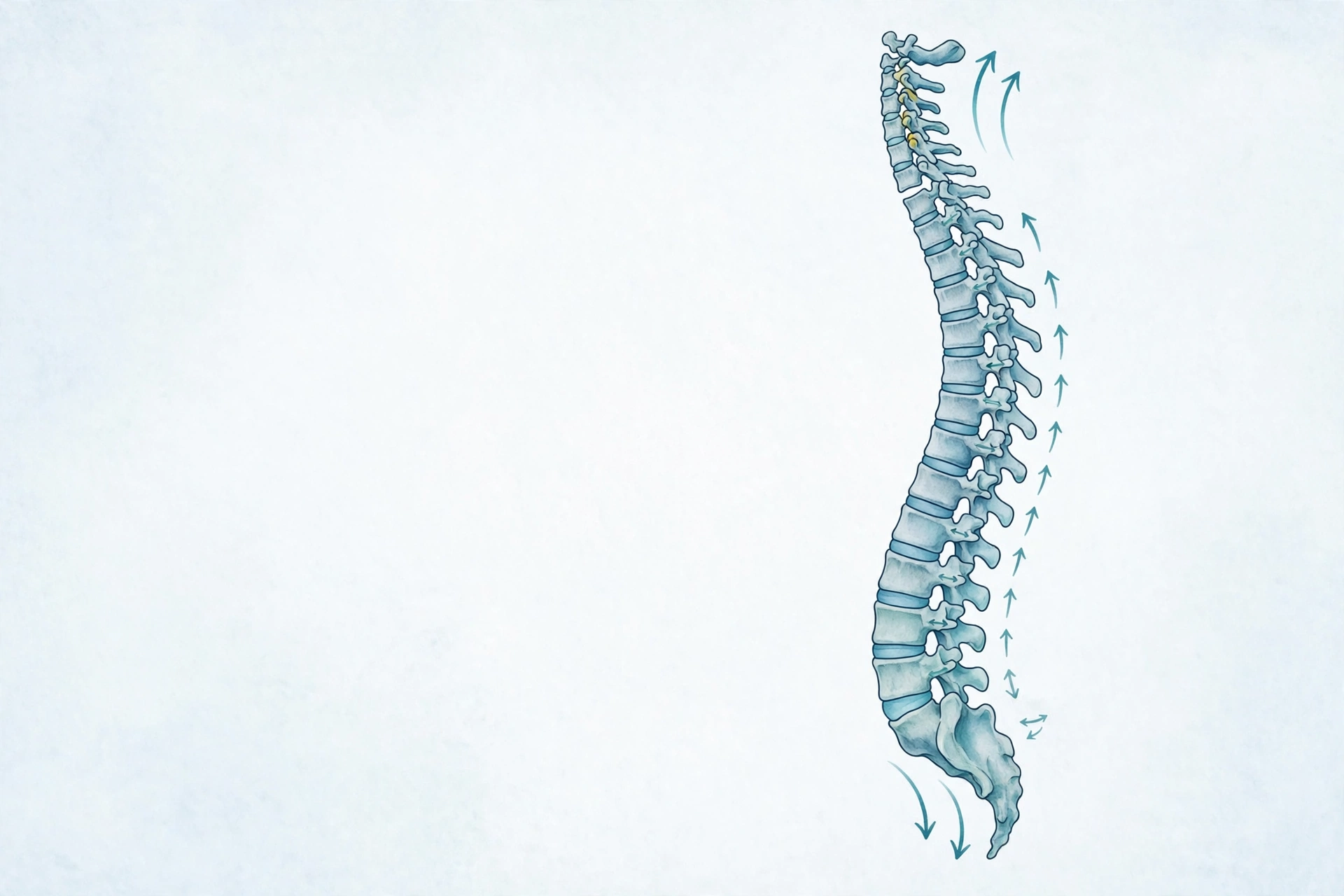
How Non-Surgical Spinal Decompression Works: Traction, Discs, and Pressure Relief
When dealing with persistent back or neck pain, finding a trustworthy explainer can bring immense peace of mind. Here at the Remedy Hero Team, we explore how spinal decompression traction may help.
What Is Spinal Decompression Traction?
Definition of Spinal Decompression
As the Remedy Hero Team, we want you to understand that spinal decompression therapy. It is a specialized approach designed to stretch the spine gently, which may help relieve pressure on the spinal discs.
Types of Decompression Therapies
We see various decompression therapies utilized today, ranging from manual traction performed by a chiropractor or physical therapist to advanced motorized systems, though you should always talk with a qualified clinician first.
Overview of Spinal Traction Techniques
Spinal traction techniques encompass both traditional mechanical traction and modern computerized spinal decompression machine setups. They offer different ways to decompress the spine and potentially reduce chronic back pain over time.
How Spinal Decompression Works, Step by Step
Understanding the Mechanics of Decompression
We at the Remedy Hero Team explain that spinal decompression works by applying a calculated traction force to the spine. This aims to create negative intradiscal pressure that may assist with a herniated disc.
The Role of the Decompression Machine
A specialized spinal decompression machine uses computer-controlled algorithms to cycle the pull, It differs from older traction therapy methods by offering targeted cycles designed to safely stretch the spine and ease discomfort.
What to Expect During a Spinal Decompression Session
During a typical decompression session for low back or neck pain, you lie comfortably on a specialized table while the equipment gently adjusts, though results vary and we advise consulting a doctor beforehand.
Negative Pressure, Disc Rehydration, and Nerve Pressure Relief
How Negative Pressure is Created
We know that as the equipment gently pulls, negative pressure builds within the spinal discs, which may encourage bulging material to retract and help relieve pressure on nearby pinched nerves causing sciatica.
The Importance of Disc Rehydration
This negative intradiscal pressure can draw essential fluids and nutrients back into the spinal discs, supporting natural healing processes, but remember that evidence is mixed and it is not a guaranteed cure.
Relieving Nerve Pressure Through Decompression
By alleviating compression on delicate neural pathways, this method may help ease shooting pain or tingling sensations associated with spinal stenosis, so please discuss these options with your doctor before starting treatment.
Spinal Decompression vs Traction: The Key Differences
Understanding the Difference Between Spinal Decompression and Traditional Traction
We at the Remedy Hero Team emphasize the key differences between traditional and modern spine-pulling methods for chronic back pain:
| Technique | Description |
|---|---|
| Traction | The broader, older technique of pulling the spine to address chronic back pain. |
| Non-surgical spinal decompression | A computer-controlled, segmented form of traction that cycles the pull. |
The Advantages of Spinal Decompression Therapy
As the Remedy Hero Team, we note that spinal decompression therapy uses advanced computerized equipment specifically designed to create negative pressure inside the disc, which may help with a herniated disc and overall back pain relief after you consult your doctor.
When to Choose One Technique Over the Other
Choosing the right treatment for your back depends entirely on your specific spinal conditions. Therefore, you should always talk with a qualified clinician before starting any new therapy plan, especially when considering options such as:
- Traditional manual traction
- Chiropractic care
- Physical therapy
- A specialized spinal decompression machine
Traction Tables and Machines: What They Do
Overview of Mechanical Traction Devices
We know mechanical traction devices and traction tables are engineered to apply a steady or intermittent traction force. This works along the spine, offering a mechanical approach to managing low back or neck pain under professional supervision.
How Motorized Tables Operate
Modern motorized traction tables operate using pre-programmed settings that gently stretch the spine and cycle tension, This helps decompress compressed vertebrae while you lie comfortably, though results vary and a doctor should evaluate you first.
Benefits of Using Traction Machines
Utilizing these traction machines may provide temporary back pain relief for individuals dealing with sciatica or spinal stenosis, but we remind you that evidence is mixed and you should discuss potential options with your clinician.
What Happens During a Session
Preparation for a Spinal Decompression Session
Before a decompression session begins, you are securely fitted with a harness around your pelvis or torso, ensuring you remain comfortable on the specialized table while preparing for gentle traction to address your back or neck pain.
What It Feels Like During Treatment
During treatment, you will likely feel a gradual stretching sensation along your lumbar or cervical region without harsh pulling, designed to relieve pressure on the spinal discs safely while you relax during the procedure.
Duration and Frequency of Sessions
A typical session usually lasts between thirty to forty-five minutes, often repeated over several weeks as part of a comprehensive therapy plan, though we always suggest consulting your doctor to monitor your progress and ensure safety.
Who Spinal Decompression May Help
Conditions That May Benefit from Spinal Decompression
As the Remedy Hero Team, we observe that this method may assist individuals facing a herniated disc, chronic back pain, or lumbar issues, but always talk with your doctor before starting any therapy plan.
Understanding Chronic Back Pain and Its Relation to Decompression
When persistent back or neck pain stems from a bulging disc or spinal stenosis, spinal decompression therapy may help reduce pain and relieve pressure on the spine, though results vary and evidence remains mixed.
Potential Candidates for Therapy
We note that suitable candidates often include adults experiencing low back or neck pain who have not found relief through conservative physical therapy or chiropractic care, so please consult a qualified clinician first.
Who Should Avoid It
Contraindications for Spinal Decompression Therapy
We at the Remedy Hero Team remind you that you should avoid spinal decompression entirely to prevent further injury if you have certain conditions, such as:
- Fractures or severe osteoporosis
- Tumors
- Active hardware implants
Consulting with a Healthcare Provider
Because safety is paramount, we always advise that you talk with your doctor or a trusted physical therapist to evaluate whether non-invasive spinal decompression is appropriate for your unique medical history.
Risks and Considerations
While some patients experience temporary pain relief, others might feel mild muscle spasms or soreness; therefore, understanding potential risks with your clinician ensures you make an informed choice regarding your spine health.
How Long It Takes to Feel Results
Timeline for Pain Relief and Improvement
We frequently hear questions about when changes occur, and we explain that while a single decompression session offers little long-term fix, a series over several weeks may gradually help decompress the lumbar region.
Factors That Influence Treatment Outcomes
Individual response to spinal traction depends heavily on the severity of your herniated disc, overall physical conditioning, and adherence to a prescribed physical therapy routine recommended by your medical professional.
Understanding Individual Variability in Results
As the Remedy Hero Team, we stress honestly that results vary widely among patients, and because evidence is mixed, spinal decompression is not a guaranteed cure for chronic lower back pain.
Frequently Asked Questions
Common Queries About Spinal Decompression Therapy
We often receive inquiries about how mechanical traction differs from computerized spinal decompression, and we clarify that modern machines cycle tension specifically to create negative intradiscal pressure for back pain relief.
Addressing Misconceptions About Treatment
Some believe that one quick procedure completely heals sciatica or a damaged spinal disc, but we remind you that it requires time, patience, and guidance from your physician or physical therapist.
When to Seek Further Medical Advice
If you experience worsening numbness, sharp tingling sensations, or severe discomfort during or after treatment, stop immediately and consult your doctor to reassess your spine care strategy and ensure safety.
What the Research Says About Spinal Decompression
Research on spinal decompression traction is mixed, and the overall evidence is mostly low to moderate in quality. Some small studies and reviews suggest that traction-based treatments may help certain people with disc-related back pain, including by easing symptoms for a period of time. However, findings vary, and results from one study may not apply to everyone or to every type of back pain.
Other reviews have found the evidence inconclusive. Differences in treatment methods, session length, patient selection, and study design make it difficult to know how much benefit decompression may provide compared with other care. Some research also examines traction as part of a broader treatment plan, so it can be hard to separate its effects from those of exercise, education, or other therapies. These limitations mean that spinal decompression should not be presented as a guaranteed solution or a replacement for an individualized assessment.
For some people, a clinician may consider traction alongside other conservative options, while others may be better served by a different approach. Our team encourages patients to weigh potential benefits, limitations, costs, and any risks before starting treatment. A doctor or qualified physical therapist can help assess whether symptoms may be related to a disc problem, review relevant health conditions, and discuss appropriate options. More high-quality research is needed to clarify which patients may benefit, what treatment approaches are most useful, and how lasting any improvement may be. If you are considering spinal decompression, talk with a doctor about the evidence and whether it fits your circumstances.
Is spinal decompression the same as inversion therapy?
No. Both approaches may use positioning or traction to reduce pressure on the spine, but they work differently. An inversion table tilts the body upside down or at an angle, using gravity and body weight to create traction. The amount of force is not typically measured or adjusted in the same way as it is with a clinical device.
Computer-controlled spinal decompression is usually performed on a specialized table. A provider sets the treatment parameters and monitors the session, though the exact approach varies by clinic. Neither method is right for everyone, and inversion may be unsuitable for people with certain health conditions, such as some eye, heart, or blood pressure problems. Talk with a doctor before trying either option, especially if you have significant pain, numbness, weakness, or other medical concerns.
Can I do spinal decompression at home?
Some gentle movements or stretches recommended by a clinician may help you manage back discomfort at home. Inversion tables are also available for home use, but they are not the same as computer-controlled clinical decompression, and they may not be safe or appropriate for everyone. Home methods do not provide the same individualized assessment or supervision, and they should not be assumed to treat the cause of pain.
Before trying an inversion table or a new stretching routine, talk with a doctor or physical therapist. They can help you choose movements suited to your symptoms and health history, and explain when to stop. Seek medical guidance promptly for new or worsening weakness, numbness, or other concerning symptoms. A professional can help you consider whether home care may be appropriate as part of a broader plan.