
DIY Lymphatic Salve For Lymph Drainage: Complete Guide & Recipe
If you want a simple way to support your body’s natural detox process, making your own lymphatic salve is a great place to start. A DIY lymphatic salve for lymph drainage helps encourage healthy circulation, reduce fluid buildup, and promote balance in your lymph system. You can make it at home with a few natural ingredients and use it as part of a gentle massage routine.
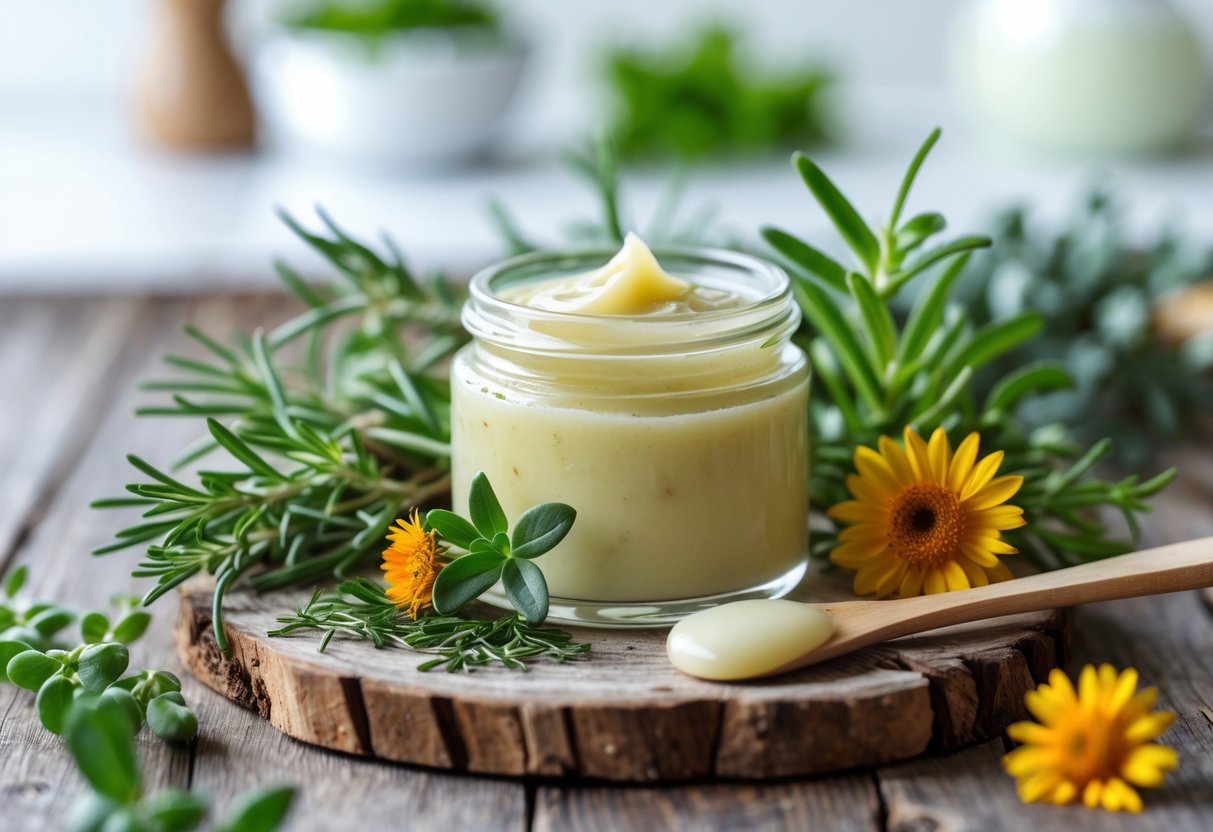
Your lymphatic system works quietly every day to move waste, toxins, and excess fluid out of your tissues. When it slows down, you may notice puffiness, fatigue, or sluggishness. By combining herbs, oils, and massage, you give your body the extra support it needs to keep things flowing smoothly.
This project is easy to customize, cost-effective, and made with ingredients that are safe for topical use. You’ll learn which herbs and essential oils work best, how to make the salve step by step, and the best way to apply it for lasting benefits.
Key Takeaways
- A DIY salve supports healthy lymph flow and circulation
- Natural herbs and oils provide targeted benefits for lymph drainage
- Simple steps let you make and use the salve at home
Understanding the Lymphatic System
Your lymphatic system works as a fluid transport and immune defense network. It helps remove waste, filter toxins, and maintain fluid balance in your body. When this system slows down, you may notice swelling, fatigue, or skin issues that signal poor lymphatic drainage.
Functions of the Lymphatic System
The lymphatic system is made up of vessels, nodes, and organs that carry lymph, a clear fluid rich in white blood cells. This fluid moves through a network similar to veins, but instead of delivering nutrients, it removes waste and supports immunity.
Lymph nodes act like checkpoints. They filter out bacteria, viruses, and other harmful particles. Your immune cells then target and destroy these invaders before they spread.
Key functions include:
- Fluid balance: Prevents excess fluid from building up in tissues.
- Immune defense: Detects and fights infections.
- Waste removal: Clears out cellular debris and toxins.
Without a healthy lymphatic system, your body would struggle to manage swelling and fight off illness effectively.
How Lymphatic Drainage Works
Unlike your blood, which is pumped by the heart, lymph fluid relies on movement and pressure changes to circulate. Muscle contractions, deep breathing, and even walking help push lymph through vessels.
Manual techniques like lymphatic massage or dry brushing can also encourage flow. These methods apply gentle strokes that move fluid toward major lymph nodes in the neck, armpits, and groin.
Hydration plays a big role. Without enough water, lymph becomes thicker and harder to move. Consistent exercise, stretching, and proper posture also keep drainage pathways open and active.
When lymphatic drainage works well, tissues stay nourished, waste is cleared, and swelling is kept under control.
Signs of Lymphatic Congestion
If your lymphatic system slows down, you may notice physical changes. Common signs include:
- Swelling in the ankles, hands, or face
- Tender or enlarged lymph nodes
- Frequent colds or infections
- Skin issues such as acne or rashes
- Fatigue and sluggishness
Congestion often happens when you sit for long periods, become dehydrated, or recover from illness. According to Wellness Mama, reduced lymph flow can also make you feel puffy or run-down before more obvious symptoms appear.
Paying attention to these early signs helps you take steps to support lymphatic drainage before problems worsen.
Benefits of DIY Lymphatic Salve
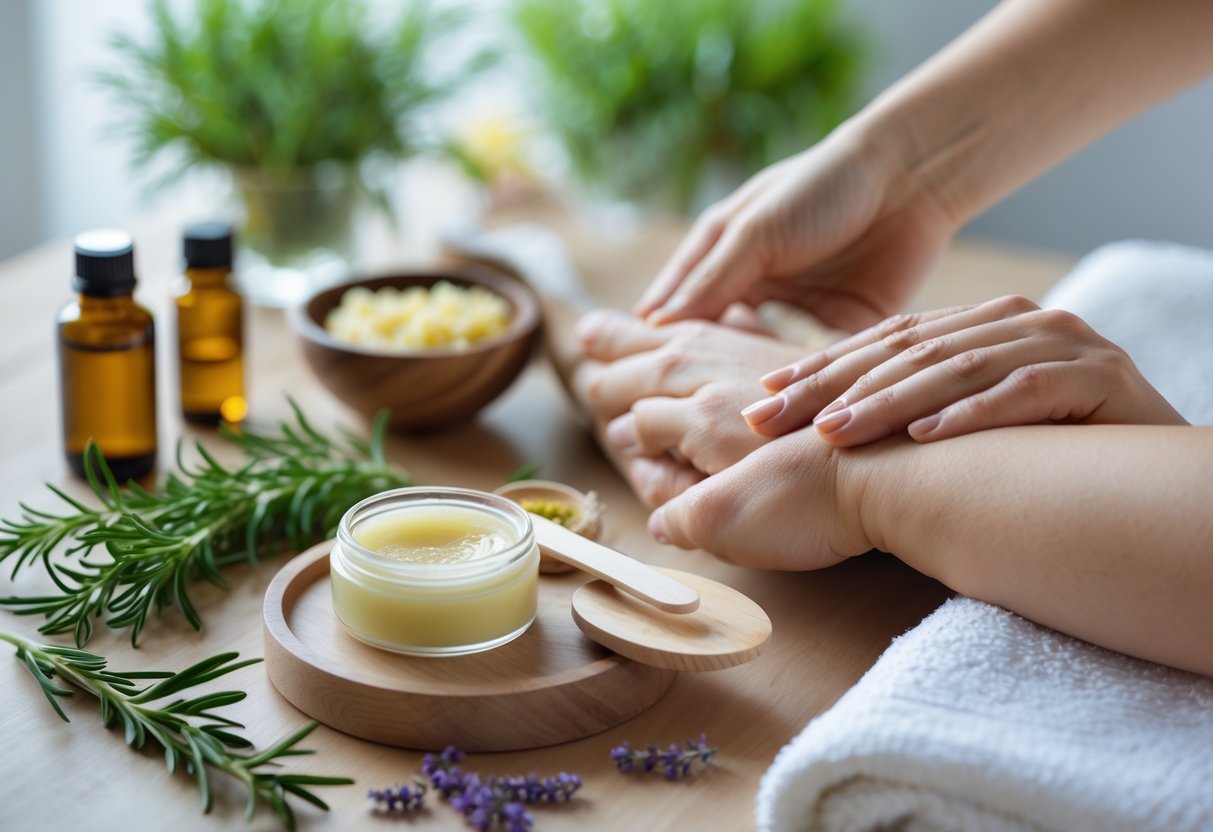
A DIY lymphatic salve can help you care for your body by supporting circulation, easing puffiness, and encouraging natural cleansing. When combined with gentle massage, this simple remedy can make your lymphatic drainage practices more effective and comfortable.
Supporting Lymphatic Health
Your lymphatic system moves fluid, waste, and immune cells throughout the body. Unlike blood, lymph has no pump, so it relies on muscle movement, massage, and self-care practices to flow properly.
Using a DIY lymphatic salve during massage can make this process smoother. The salve reduces friction on the skin, allowing you to apply gentle, rhythmic strokes that encourage lymph flow toward the lymph nodes.
Some salves include herbs like calendula or essential oils such as grapefruit and ginger. These ingredients may support circulation and skin health, making the massage more effective. You can find recipes for a lymphatic drainage cream with herbs and oils that highlight these benefits.
By adding this practice to your routine, you give your lymphatic system extra support in carrying out its role of moving fluids and maintaining balance.
Reducing Swelling and Puffiness
Swelling often happens when lymph fluid builds up in tissues. This can leave you feeling heavy, puffy, or uncomfortable. A lymphatic salve paired with massage can help move that fluid back into circulation.
The light pressure of massage combined with the salve’s slip helps direct fluid toward lymph nodes. This may reduce puffiness in areas like the face, ankles, or underarms.
Certain ingredients, such as ginger or peppermint, can create a warming or cooling effect. This sensation may help relax tissues and make the massage feel soothing. Recipes for a DIY lymphatic salve often highlight these natural additions.
When used consistently, this practice can make your skin look less swollen and help you feel more comfortable in your body.
Enhancing Detoxification
Your lymphatic system plays a key role in removing waste, toxins, and even pathogens from your body. A DIY lymphatic salve for lymph drainage can support this process by making self-massage easier and more effective.
By improving the flow of lymph, you help your body clear out substances it no longer needs. This does not replace your liver or kidneys, but it can support their work by moving waste into circulation for removal.
Some people add ingredients like grapefruit essential oil to their salves because it may promote circulation and support cleansing. A homemade lymphatic massage cream with these oils can be a simple way to encourage this natural process.
Regular use of a lymphatic salve during massage can give your body gentle support in maintaining balance and promoting natural detoxification.
Key Ingredients for Lymphatic Salve
A good lymphatic salve combines herbs that encourage fluid movement, oils that carry their properties into the skin, and butters that add stability and texture. Each part plays a specific role in supporting circulation, reducing stagnation, and making the salve easy to apply.
Herbs for Lymphatic Support
Certain herbs are known for their ability to stimulate and support lymph flow. Calendula is often used because it helps clear stagnant fluid and supports immune balance. Its bright flowers also make it a gentle option for sensitive skin.
Cleavers is another classic lymphatic herb. It has a cooling effect and is often used for swollen lymph nodes or puffiness. You can dry it and infuse it into oil for use in salves.
Other herbs like red clover, violet, and arnica also show benefits. Red clover encourages fluid movement, violet is calming for inflamed tissues, and arnica helps with swelling and circulation. You can choose one or combine several depending on your needs.
Carrier and Infused Oils
Carrier oils act as the base of your salve and allow the herbal properties to penetrate the skin. Common choices include olive oil, jojoba oil, or almond oil. These oils have a light texture and are well tolerated by most skin types.
To make an infused oil, you steep dried herbs like calendula or cleavers in your chosen carrier oil. This process draws out their beneficial compounds. The infused oil then becomes the foundation of your salve.
Castor oil is often added in small amounts. It is thick and sticky on its own, but when blended, it helps stimulate lymphatic vessels and supports natural drainage. Using both infused oils and castor oil creates a balanced base.
Butters and Their Roles
Butters give your salve firmness and a smooth texture. Mango butter is a popular choice because it is light, absorbs well, and adds a non-greasy finish. It also contains natural fatty acids that help protect the skin barrier.
Shea butter is another option if you want a slightly richer feel. It provides more moisture but can feel heavier than mango butter. Cocoa butter is firmer and adds stability, though it has a stronger scent.
By blending butters with oils, you create a salve that is easy to spread, holds its shape, and delivers herbal benefits effectively. The butter also ensures the salve won’t melt or separate at room temperature.
Essential Oils for Lymphatic Drainage
Certain essential oils can support circulation, reduce fluid buildup, and encourage better lymph flow when used with massage or topical applications. These oils are often chosen for their ability to stimulate movement in tissues and promote a sense of balance in the body.
Top Essential Oils for Lymph Flow
Some oils are especially valued for their effect on lymphatic circulation. Cypress oil is often used because it may help reduce swelling and improve fluid movement. Grapefruit oil is known for its refreshing scent and its ability to support detoxification and reduce puffiness.
Lemon oil is another option, as it can boost circulation and provide a gentle cleansing effect. Ginger oil may help warm tissues, which can encourage lymphatic activity. For relaxation and immune support, lavender oil is often included in blends.
You can find more details on the best essential oils for lymphatic drainage and how they can be applied with massage techniques. Each oil has unique properties, so you may choose based on whether you want stimulation, relaxation, or immune support.
Essential OilKey BenefitCommon UseCypressReduces swellingMassage over legs/armsGrapefruitSupports detoxBlended in massage oilLemonBoosts circulationAdded to carrier oilGingerWarms tissuesTopical massageLavenderCalms and supports immunityRelaxing massage blend
Blending and Safety Tips
Always dilute essential oils in a carrier oil like jojoba, almond, or coconut before applying them to your skin. A safe ratio is about 3–5 drops of essential oil per teaspoon of carrier oil. This prevents irritation and makes the oils easier to spread during massage.
When blending, you can combine stimulating oils like cypress or grapefruit with calming oils like lavender for a balanced effect. For example, mix cypress, grapefruit, and lavender for both circulation and relaxation.
Avoid applying oils to broken skin or sensitive areas. Some oils, like lemon and other citrus oils, may increase sun sensitivity, so use them with caution before sun exposure.
If you want to experiment with recipes, you can try a DIY lymph massage oil that combines essential oils with a lightweight carrier for easier absorption. Always test a small amount first to check for skin reactions.
Step-by-Step DIY Lymphatic Salve Recipe
You can make a DIY lymphatic salve with simple ingredients like infused oil, mango butter, beeswax, castor oil, and essential oils. The process involves preparing the herbal oil base, melting and blending the ingredients, and then storing the finished salve properly for long-lasting use.
Preparing Infused Oils
Start with dried herbs that support the lymphatic system. Popular choices include calendula, red clover, violet, or cleavers. Using dried herbs is important because fresh herbs can add moisture that may cause mold.
Place the herbs in a heat-safe glass bowl or the top of a double boiler. Cover them with a carrier oil such as olive, jojoba, or sweet almond oil.
Keep the mixture over low heat for 2–3 hours. The oil should stay warm but not boil. Stir occasionally to prevent sticking or uneven extraction.
Once the oil darkens and takes on the scent of the herbs, strain out the plant material with a fine mesh strainer or cheesecloth. This strained oil becomes your infused oil base for the salve.
Store any leftover infused oil in a clean glass jar with a tight lid. Keep it in a cool, dark place to preserve freshness.
Combining Ingredients
Measure the following into a double boiler:
- ½ cup infused oil
- 2 tablespoons mango butter
- 4 teaspoons beeswax pellets
Heat gently until everything melts together. Stir often to ensure the beeswax and butter blend smoothly with the oil.
Remove from heat and add:
- 2 teaspoons castor oil
- 20 drops lavender essential oil
- 10 drops cypress essential oil
- 5 drops marjoram essential oil
Mix well so the essential oils distribute evenly. Immediately pour the liquid salve into tins or small glass jars before it begins to harden.
Let the containers sit undisturbed until fully cooled. The salve will firm up to a smooth, spreadable texture.
Storage and Shelf Life
Keep the finished salve in airtight containers, such as metal tins or glass jars with screw-top lids. Avoid plastic since essential oils can degrade it over time.
Store the containers in a cool, dark location away from direct sunlight or heat. This helps the oils and butters maintain their quality.
When stored properly, your DIY lymphatic salve can last 6–12 months. A faint change in smell or texture can signal that it’s time to make a fresh batch.
For best results, always use clean, dry hands or a small spatula to scoop out the salve. This prevents introducing moisture or bacteria that could shorten its shelf life.
If you want to explore variations of this process, you can find another detailed recipe for a lymphatic salve with herbs and essential oils.
How to Use Lymphatic Salve for Optimal Results
Using a lymphatic salve works best when paired with gentle massage, applied to the right areas, and supported by simple movements or tools. Each step helps your lymphatic system flow more effectively, reducing swelling and supporting circulation.
Massage Techniques for Lymph Drainage
Apply a small amount of salve to clean skin and use light, rhythmic strokes. Pressure should be very gentle—think of brushing across the skin rather than pressing deep. The lymphatic system lies close to the surface, so heavy pressure is not necessary.
Start at the collarbone area by making small circular motions. This helps open the main drainage points before moving to other areas. Always stroke in the direction of the heart or toward nearby lymph nodes.
When massaging the face, sweep from the middle outward toward the ears, then down the neck. For arms and legs, begin at the ends and work upward with slow, consistent strokes.
Keep each session short, about 5–10 minutes, and repeat daily for best results. Pairing salve with these motions can support natural lymphatic drainage and reduce puffiness.
Target Areas for Application
Focus on areas where lymph nodes are concentrated. These include the neck, underarms, groin, and behind the knees. Applying salve here and using light massage encourages fluid movement through the body’s main pathways.
For facial swelling or sinus pressure, apply a thin layer under the eyes, along the jawline, and down the sides of the neck. Gently sweep the salve toward the collarbone to promote drainage.
On the body, the abdomen is another key area. Use clockwise motions around the belly button to follow the natural direction of the intestines and lymph flow.
If your legs feel heavy or swollen, apply salve from the ankles upward, always moving toward the groin. This helps direct fluid toward the larger lymph nodes that filter waste.
Incorporating Movement and Tools
Movement is essential since the lymphatic system has no central pump. After applying salve, light activity helps improve results. A short walk, gentle stretching, or using a rebounder (mini trampoline) for 5–10 minutes can stimulate lymph flow.
Pairing massage with deep diaphragmatic breathing also helps. Inhale deeply through your nose, let your belly expand, then exhale slowly. This creates a natural pumping effect for lymphatic circulation.
Simple tools can also support your practice. A dry brush used before applying salve boosts circulation, while a gua sha stone or jade roller can help move fluid in the face and neck.
Consistency matters most. Using salve with these techniques and movements can keep your lymphatic system working more efficiently.
Frequently Asked Questions
You can support your lymphatic system with gentle massage, movement, and simple lifestyle changes. Paying attention to safe techniques and knowing the limits of what lymphatic massage can do helps you avoid risks while improving circulation and reducing swelling.
What are effective techniques for self-massage to promote lymphatic drainage?
Use light, rhythmic strokes that move fluid toward the nearest lymph nodes. Start near the collarbone and neck before working on other areas so the main drainage points are clear. Avoid pressing too hard, as the lymphatic vessels sit just under the skin.
Can you see visible results from lymphatic drainage on legs before and after?
Some people notice reduced puffiness or swelling in the legs after a session. The change is usually subtle and depends on factors like hydration, activity level, and circulation. Results vary and may be temporary if underlying causes are not addressed.
What are the potential risks associated with lymphatic massage?
Lymphatic massage is generally safe, but it may not be suitable if you have active infections, blood clots, heart problems, or certain cancers. Applying pressure to areas with open wounds or skin infections can worsen symptoms. Always check with a healthcare professional if you have medical conditions.
How can one naturally facilitate lymph drainage in the neck area?
Gentle strokes from the jawline down toward the collarbone can help. Deep breathing also supports natural lymph flow in the neck and chest. Staying hydrated and maintaining good posture further improves drainage in this area.
What methods can improve lymphatic circulation in the legs?
Walking, stretching, and simple leg movements stimulate muscle contractions that push lymph upward. Elevating your legs above heart level for short periods can also reduce swelling. Dry brushing and light massage may provide additional support.
Where can I find a reliable manual for lymphatic drainage massage techniques?
You can learn safe methods from guides such as this overview of DIY lymphatic drainage techniques. Some wellness resources also share detailed steps for using herbal salves with massage, like this guide on DIY lymphatic salve for drainage. For medical concerns, consult a licensed therapist trained in manual lymphatic drainage.